
A feeling and an emotion are not the same thing. Once you can tell them apart, a great deal of what happens inside you stops being mysterious.
Two people sit with the same racing heartbeat. One is about to ride a roller coaster. The other is about to walk into a job interview.
Same body. Completely different experience. One is thrilled, the other is dreading the next twenty minutes. Nothing in the physiology explains the difference.
The Difference
A feeling is a body sensation. Tightness in the chest. A churning stomach. Heat rising in the face. Heaviness in the limbs. These are physical events, and on their own they carry no meaning at all.
An emotion is what happens when you place that sensation into context by assigning it meaning.
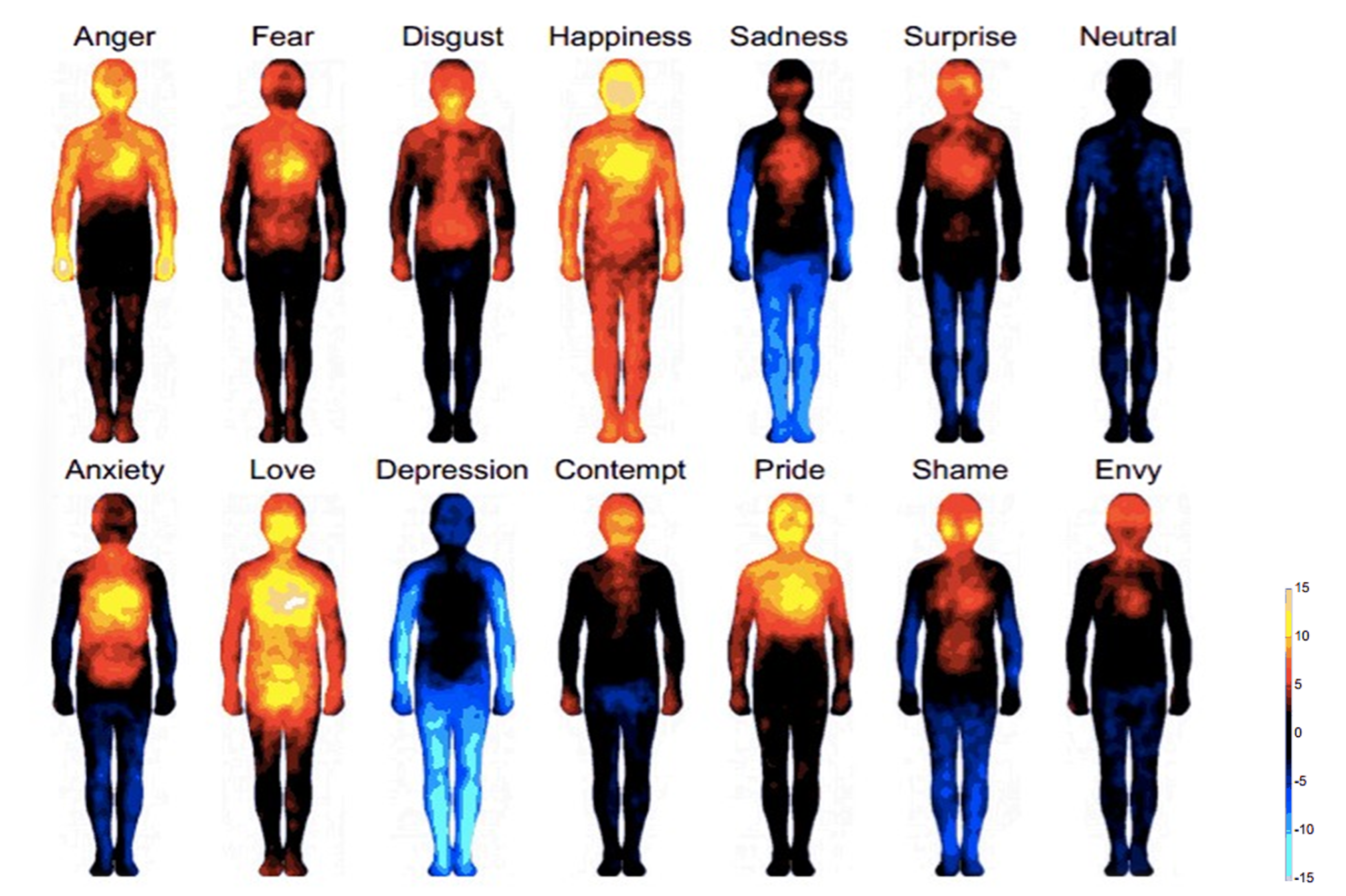
A churning stomach is a feeling. Recognizing it as hunger is one emotion. Recognizing it as nervousness is a different one. The stomach is doing exactly the same thing in both cases. What changed is the interpretation.
This is worth sitting with, because it puts the mechanism somewhere unexpected. The emotion is not being done to you by the situation. It is being constructed, very fast and mostly outside your awareness, out of a sensation and a belief about what that sensation means.
Why It Happens So Fast
The construction is not deliberate. Your brain takes in what is happening, matches it against everything you have experienced before, and produces an interpretation before you have consciously considered anything.
That is not a flaw. It is what the system is for. A brain that waited for careful analysis before reacting would not have kept our ancestors alive.
But it does mean the meaning gets attached automatically, using beliefs you may never have chosen and cannot immediately see. The interview candidate is not deciding to interpret the racing heart as dread. Some belief about being judged, or about not being good enough, is doing that work quietly in the background.
Emotions Are Rarely Singular
Another thing you notice once you start watching. We tend to name one emotion at a time, but there is usually more than one running.
Anger often arrives with frustration underneath it, and sometimes a quiet shame about being angry in the first place. What we call a single feeling is often a stack.
That is part of why difficult emotional states feel so unmanageable. We treat them as one large, formless thing, when they are several smaller things overlapping.
Why the Distinction Is Useful
Three practical consequences follow from it.
Sensations are not dangerous. If a feeling is just a body event, then a racing heart is a racing heart. It is not evidence that something terrible is happening. A great deal of anxiety is the fear of what the body is doing, and that fear loses much of its grip once you can see the sensation as separate from the story about it.
The meaning is where the leverage is. You cannot decide to stop your stomach churning. But the interpretation attached to it comes from a belief, and beliefs can be examined and changed. That is the whole basis of the 4-Steps™ approach.
Language changes your position. “I am angry” speaks from inside the emotion, as though it were a description of you. “I am experiencing anger” puts a little space between you and it. That is not word games. It is the difference between being the weather and watching the weather, and it is a skill you can build.
Micro Practice: Sensation, Then Meaning
- Take a breath and check in with your body. Notice one sensation that is present. Tightness, restlessness, heaviness, or simply the feeling of sitting where you are.
- Name the sensation itself, not what caused it. Tight. Heavy. Buzzy. Settled.
- Now ask whether there is an emotion attached to it. Something that gives that sensation meaning.
- Notice the gap between the two. That gap is where the work happens.
Where This Leads
If an emotion is a sensation plus a meaning, then emotions are not obstacles to be managed. They are information about what you currently believe.
That is the subject of the next piece: what your emotions are actually telling you, and why their intensity is a more reliable signal than most people realize.
To go deeper into the model, see Understanding Emotions and Mindfulness, the first of the four skills.