The Three Levels of Processing
Our experiences are processed at three different levels of the brain.
Most of it happens before we are consciously aware of it.
Understanding how that process works can help explain why thoughts, feelings, and behaviors often seem to happen on their own.
Once you understand the process, you can begin working with it instead of against it.
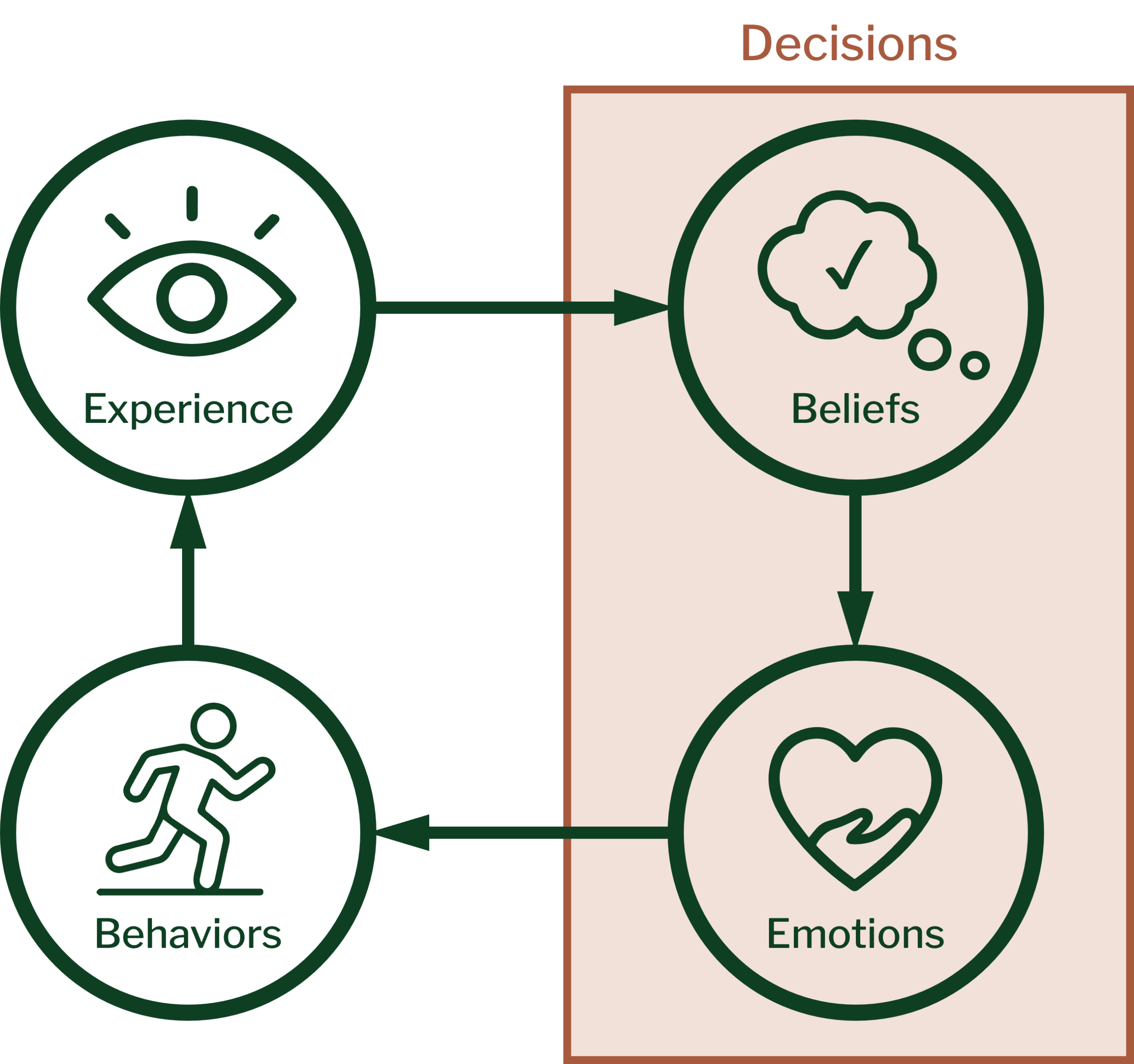
Our brains are always running a process.
Everything we experience arrives through our senses.
Some of it comes from the world around us, and some from inside our own body. That sensory information is the input.
Our beliefs then decide what the information means, and our emotions report how that meaning affects our well-being. Together, those two form a decision. Our behavior is the output.
- ✓Experience is the input, everything our senses report from outside us and within us.
- ✓Beliefs decide what that input means.
- ✓Emotions tell us how that meaning is affecting our well-being.
- ✓Beliefs and emotions combined are how we make a decision.
- ✓Behaviors are the output, what we actually do.
Most of this happens before we have thought about it at all.
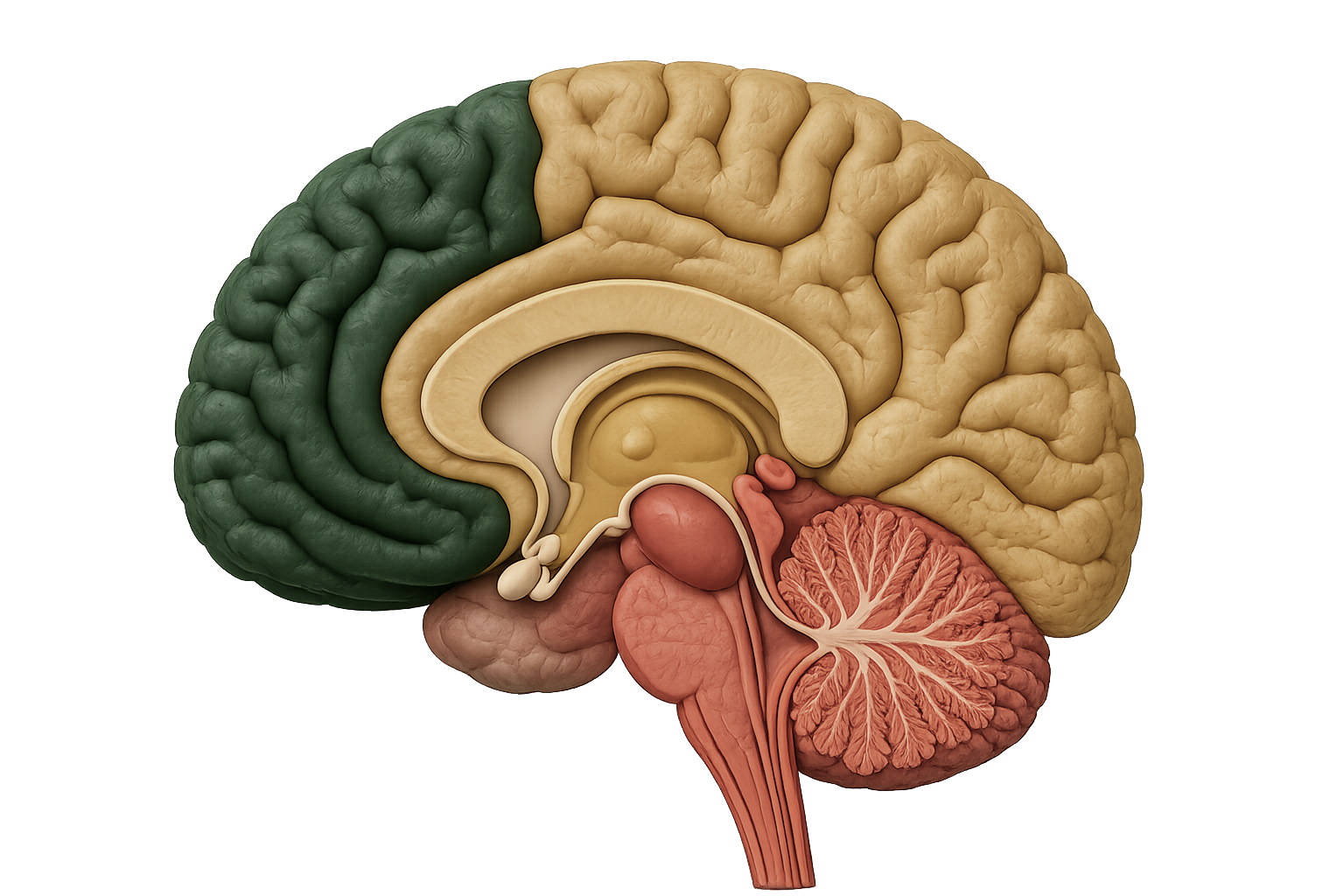
Your brain processes information at three levels.
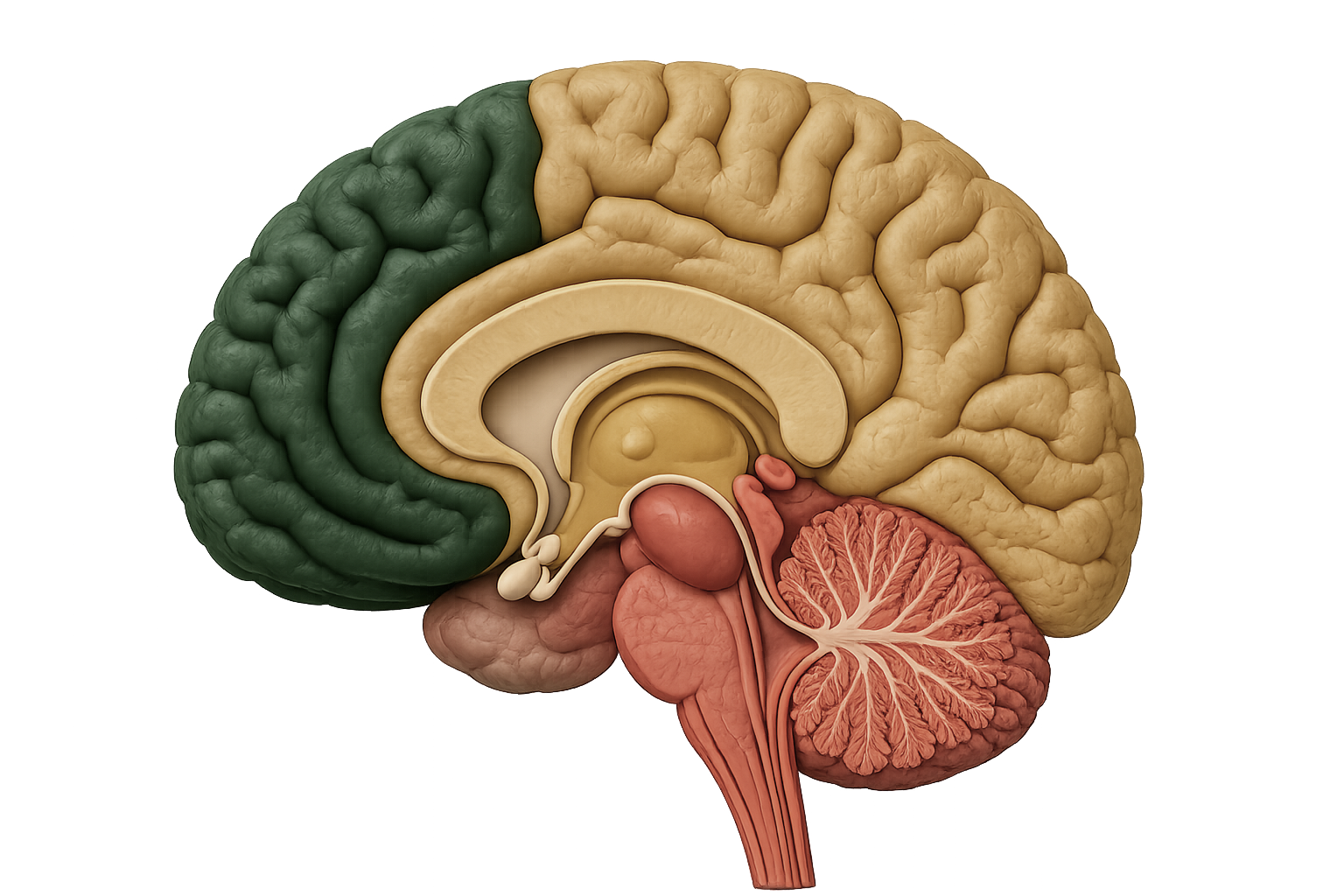
Our brains handle the world on three levels, from the fastest and oldest to the slowest and most deliberate.
Each level has its own kind of behavior, lives in a different part of the brain, and sits at a different depth of awareness.
 High Level
Medium Level
Low Level
High Level
Medium Level
Low Level
Low Level
Inherent Functions
Reflexes
Involuntary responses we never chose: our heartbeat, digestion, blinking when something flies toward our eye. We are born with them.
Medium Level
Learned Functions
Reactions
Skills we practiced until they ran on their own: walking, driving, saying “Fine, thanks” without a thought. This is where most of daily life happens.
High Level
Executive Functions
Actions
Deliberate choices we think through: planning, imagining, learning something new. This level takes real effort, so we do not stay in it all the time.
Understanding these three levels is what explains why some responses feel instant and unstoppable, while others feel like choices we made.
Most of the day we run on autopilot.
The learned level is efficient, but it has a cost.
Because these reactions run without oversight, the way we respond to certain people or situations can start to feel like simply who we are, when really it was shaped by experiences we have long forgotten.
Have you ever driven somewhere familiar, only to realize you don’t remember the journey? Your mind was still running the process. It simply didn’t need your conscious attention.
These patterns are not who we are. They were learned. And anything learned can be updated.
Stepping Off Autopilot
To come off autopilot, we engage the third level.
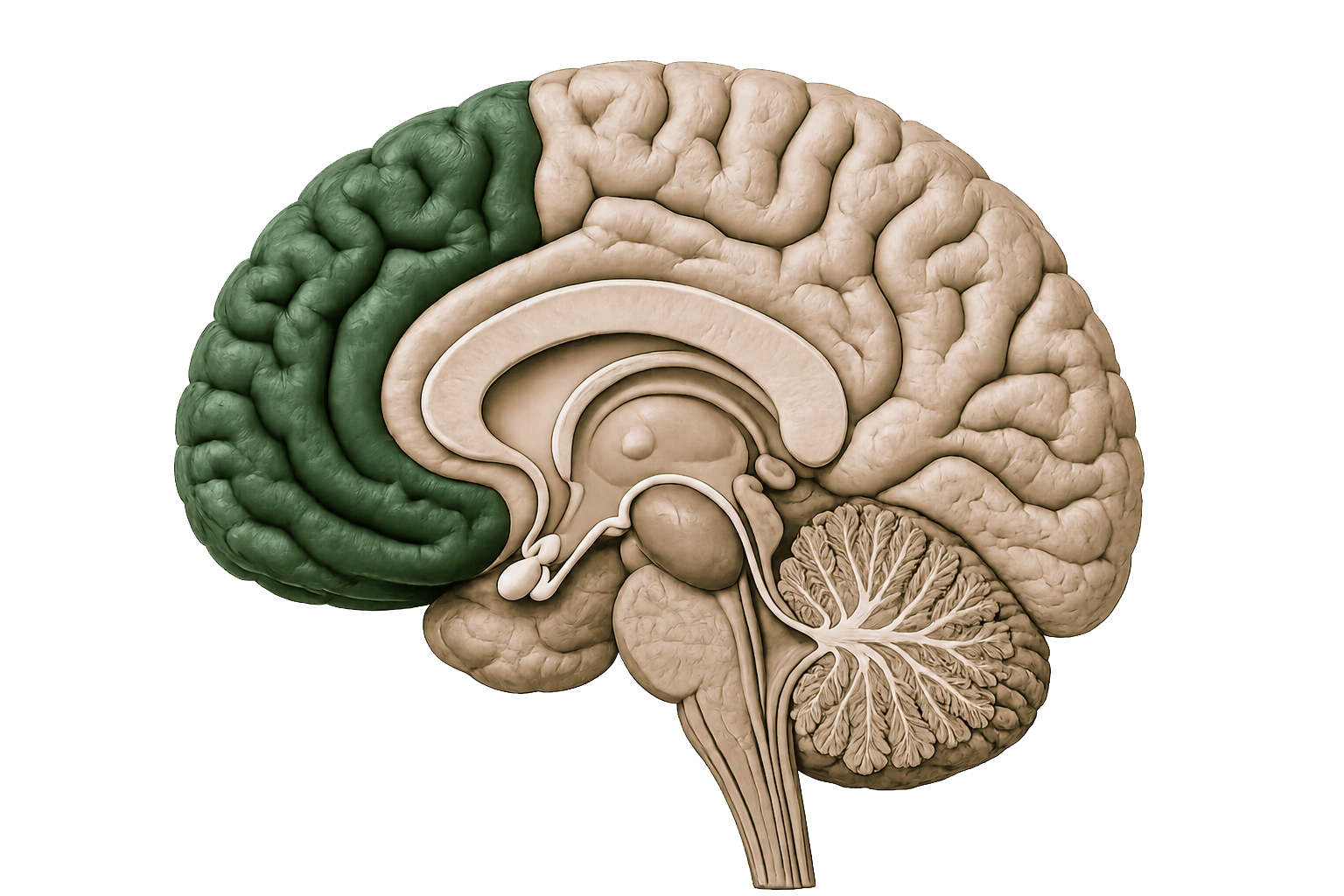
Executive function is the only level that requires consciousness. It is the ability to recognize that we are recognizing, and it relies heavily on the prefrontal cortex, the brain’s executive centre.
From here we can observe the processes running at the lower levels, intercept them, and introduce new possibilities. This is how we try something new. This is how we break a pattern.
It also takes the most effort, which is why we do not operate here all the time.
This observer is what we call the mind.
 High Level
Observer
Our brains can rewire themselves.
Every repeated pattern is a physical pathway in the brain, which is why habits feel automatic.
It is also the reason change is possible. The same mechanism that built a pattern can build a new one. Neuroscientists call it neuroplasticity.
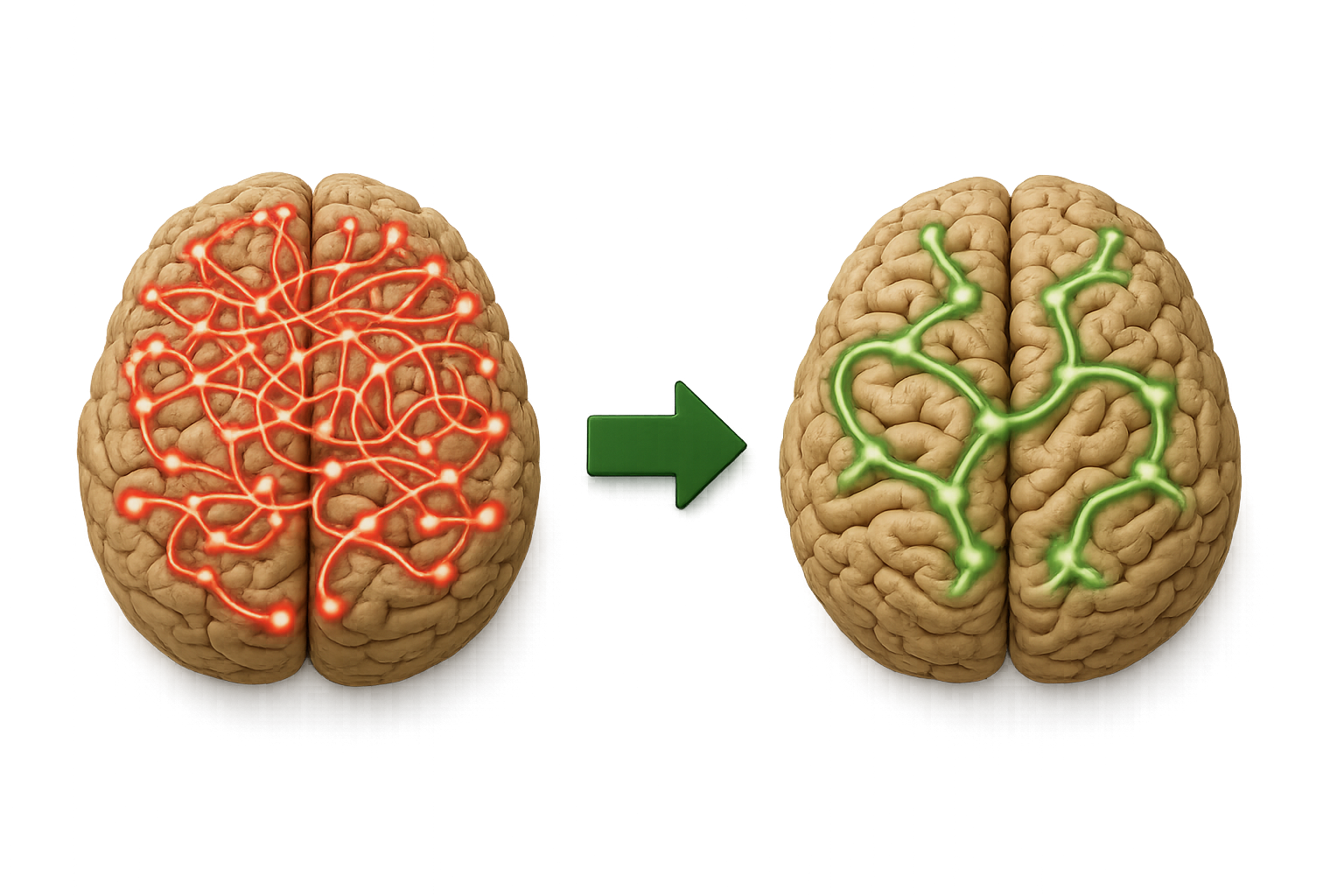
The moment we observe a reaction instead of being carried by it, a small gap opens between what happens and how we respond. That gap is where choice lives.
You can rewire your brain by learning and practicing the skills in the 4-Steps™ approach.