About Us
About Optimistic Brain
Optimistic Brain turns the science of the mind into clear, practical ideas.
The aim is that more people understand how their minds work, and feel more balanced because of it.
The name is the argument. Your brain is not working against you. It is doing exactly what it evolved to do, and once you can see how, it stops being frightening and starts being something you can work with.
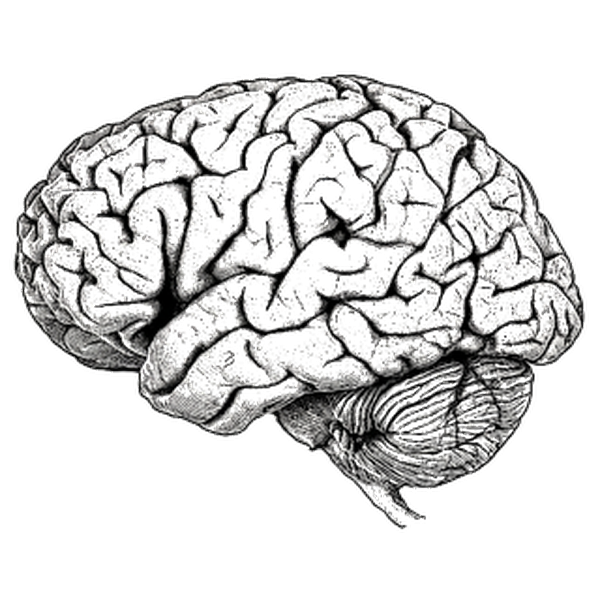
Why Optimistic Brain Exists
Most of us are never taught how our own minds work.
We learn history, mathematics and grammar. We are rarely taught why we react the way we do, where emotions come from, or what to do when our thinking turns against us. So when something goes wrong internally, we assume the fault is personal rather than mechanical.
It usually is not. Anxiety, low mood and overthinking are not evidence that something is broken. They are a system doing its job with inaccurate information.
There is nothing broken about you.

Founder
John Windisman, BSc
John did not arrive at this through theory.
Years ago his own anxiety escalated until his world had shrunk to the walls of his loft. He stopped going out. He stopped seeing people. The moment he realised he was afraid to walk twenty steps down a hallway to throw out the garbage, he knew something had to change.
What he eventually found was not a cure. It was an explanation. His brain was not malfunctioning, it was responding to beliefs that no longer fit reality. Understanding that changed everything, and working through it became the 4-Steps™ approach.
He has practised mindfulness since 2005, holds a Bachelor of Science from the University of Waterloo and an applied mindfulness meditation certification from the University of Toronto, and is a certified teacher of the Search Inside Yourself program first developed at Google. He teaches teams and coaches individuals who want a clearer understanding of how their minds work.
How We Teach
The goal is understanding, not persuasion.
Plain Language
No clinical jargon, no new-age promises. When we use a term like the prefrontal cortex, we explain it in the same breath.
Grounded in Science
Everything here traces back to how the brain and body actually process an experience, not to what sounds encouraging.
Clarity Over Cleverness
Every book, article and practice exists to make how we work easier to understand, and easier to change.
Who This Is For
Anyone who would rather understand their mind than manage it.
- People who overthink
- People who want fewer reactions they regret
- People who have tried techniques without understanding why
- People who are simply curious
Optimistic Brain is education, not therapy. It does not replace professional care, and it is not intended to. It explains the mechanism, so that whatever else you do makes more sense.
Work With Us
The same material, taught live.
Speaking and Keynotes
A talk on how the mind works and why understanding it changes how we respond.
Lunch and Learns
A short, practical session for teams. One idea, explained clearly, in the time people actually have.
Corporate Programs
A longer engagement that builds the 4-Steps™ into how a team handles pressure and works together.
Book Readings
Readings and conversations about Center Yourself and Soar, for groups and events.
Get in Touch
Tell us a little about your group and what you are hoping for, and we will come back to you.
Where to Start
Begin with how the mind works, or go straight to the method.
Understanding comes first here. Once the process makes sense, the 4-Steps™ are what you do with it.